
If you’re new to blogging and wondering whether it’s still possible to make money online — you’re not alone.
You’ve probably seen:
- Claims that blogging is “dead”
- Screenshots of overnight success
- Conflicting advice that leaves you more confused than when you started
Here’s the truth most people won’t tell you:
Blogging still works — but only if you approach it the right way.
This guide is written specifically for beginners (and near-beginners) who want a clear, realistic path to building a blog that grows traffic and income over time — without hype, shortcuts, or technical overwhelm.
What Blogging Really Is (And What It Isn’t)
Let’s clear something up immediately.
Blogging is NOT:
- A get-rich-quick method
- Passive income from day one
- Writing random posts and hoping for traffic
Blogging IS:
- A long-term asset
- A traffic engine
- A trust-building platform
A successful blog works because it consistently helps a specific audience solve specific problems — and then introduces solutions when the timing is right.
Once you understand this, everything else starts to make sense.
Why Most Beginner Blogs Fail
Most beginner bloggers don’t fail because they aren’t smart or motivated.
They fail because they:
- Try to target everyone
- Focus on money before value
- Overcomplicate the process
- Quit before momentum kicks in
The fix isn’t working harder — it’s working simpler.
Step 1: Choose the Right Blogging Niche (Beginner-Friendly)
One of the biggest beginner mistakes is choosing a niche that’s either:
- Too broad (“make money online”)
- Too advanced
- Too competitive with no angle
A better approach is to niche by problem + experience level.
Good beginner-friendly examples:
- Blogging for beginners
- Affiliate marketing for beginners
- Online income for non-technical people
This makes your content:
- Easier to write
- Easier to rank
- Easier to trust
You can always expand later. Clarity now beats flexibility later.
(This guide will be supported by a full article on choosing a niche correctly.)
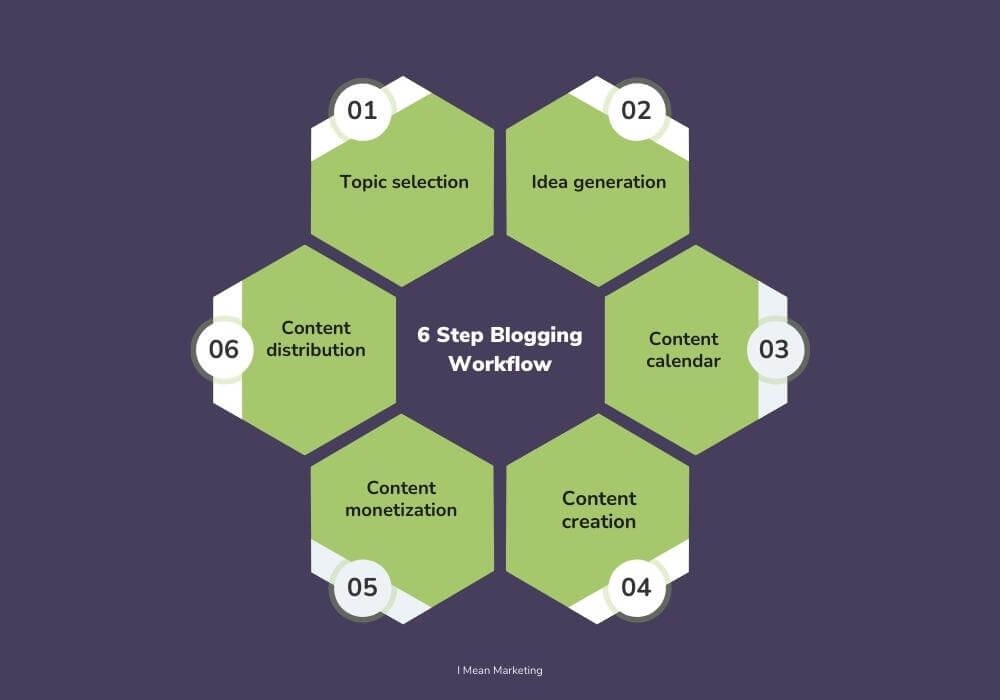
Step 2: Start Your Blog (Without Tech Overwhelm)
You do not need to be technical to start a blog.
At a high level, the process looks like this:
- Choose a blogging platform
- Register a domain name
- Set up hosting
- Install your blog
- Create a few essential pages
That’s it.
You don’t need:
- Custom design
- Fancy plugins
- Advanced tools
Your goal early on is functionality, not perfection.
Step 3: Understand What to Write About as a Beginner
This is where most beginners get stuck.
The key is to write content that solves real, immediate problems.
The 3 types of posts beginners should focus on:
1. Problem-Solving Posts
Examples:
- Why your blog isn’t getting traffic
- Common blogging mistakes beginners make
2. Beginner How-To Guides
Examples:
- How to start a blog step by step
- How affiliate marketing works for bloggers
3. Experience-Based Lessons
Examples:
- What I’d do if I was starting blogging today
- What I wish I knew before starting a blog
If a reader can take action within 30 minutes after reading your post, you’re doing it right.
Step 4: Beginner SEO (Explained Simply)
SEO sounds complicated — but the basics are simple.
Search engines want to:
- Show the best answer
- To the right person
- At the right time
For beginners, SEO comes down to:
- Writing about topics people actually search for
- Matching the intent of the search
- Making your content clear and helpful
You do not need advanced tactics early on.
One solid, helpful post per week will outperform aggressive SEO tricks every time.
Step 5: How Blogs Make Money (Beginner Reality Check)
Blogs make money by solving problems and recommending solutions.
The most beginner-friendly monetization methods are:
- Affiliate marketing
- Simple digital products (later)
- Email lists (as a foundation)
Important rule:
Monetization comes after trust — not before.
If your content genuinely helps, monetization feels natural instead of forced.
Step 6: A Realistic Timeline for Blogging Success
This is where honesty matters.
Months 1–3
- Learning
- Publishing content
- Little traffic
Months 4–6
- Early rankings
- Small traffic increases
- Momentum building
Months 6–12
- Compounding growth
- Consistent traffic
- Income opportunities
Blogging rewards patience and consistency — not speed.
Step 7: How to Use 10 Hours a Week Effectively
If you can commit 10 hours per week, here’s a sustainable breakdown:
- 4 hours — Write one high-quality post
- 2 hours — Learn basic SEO & content strategy
- 2 hours — Improve older posts
- 2 hours — Study successful blogs in your niche
This pace is realistic and powerful.
Your First 90-Day Blogging Plan
To avoid overwhelm, focus on this:
- Publish this pillar guide
- Write 6–10 supporting articles
- Internally link everything together
- Improve clarity before adding complexity
That’s enough to build a real foundation.
Final Thoughts: Blogging Still Works — If You Do It Right
Blogging isn’t dead.
Low-effort blogging is.
If you:
- Focus on one audience
- Publish helpful content consistently
- Treat your blog like an asset
You put yourself ahead of most beginners before they quit.
This blog is here to guide you through that process — step by step.
Next Steps
👉 Bookmark this guide
👉 Start with one supporting article this week
👉 Focus on progress, not perfection